


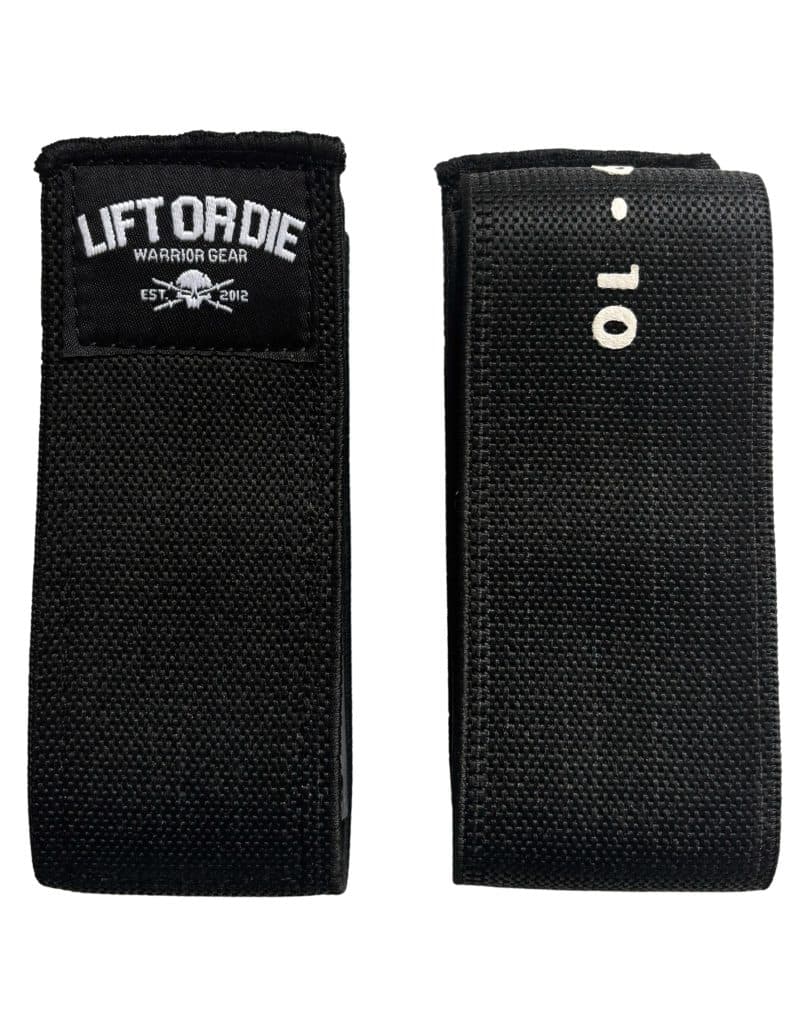
Occlusion bands for biceps and forearm muscle training
Discover a new way to train with Our occlusion bands for biceps and forearm muscle building.
Occlusion Training is a training method Who will limit blood return through the muscle veins.
The goal is not to prevent blood flow into the muscle, but to prevent it from returning.
🎯 STRIP PLACEMENT
Just below the shoulders, at the highest point of your biceps for the arms.
Just below the elbows to work the forearms.
⚙️ How to use our BFR bands for arms
If you have never used occlusion bands, Do not lift more than 20% of the maximum weight you can lift in one repetition without the bands.
Loads of 20 to 30% of your maximum are recommended for sedentary people.
For experienced bodybuildersThis percentage can range from 40 to 50%.
Rest periods should be 30 seconds to 1 minute between sets.
(more information in The Delavier Method of Bodybuilding Volume 3)
The basic protocol for working in occlusion is to use a very light load, for 3 to 5 sets of 30 to 15 repetitions with 30 seconds/1 minute of rest. Preferably all of this is done on an isolation exercise.
Example :
First set: 30 repetitions then rest for 30 seconds
2nd set: 20 repetitions then rest for 30 seconds
Sets 3 and 4: 15 repetitions, then rest for 30 seconds
WARNING, this is an advanced strength training technique that should only be implemented very gradually in order to allow your body to adapt; never lift more than 20% of your maximum if you have never worn occlusion bands.
Sold in pairs

WARNING REGARDING THE USE OF OCCLUSION STRIPS
Occlusion bands can cause serious injuries if not used correctly!
Follow these warnings at all times when using occlusion bands:
Do not use if you are under 18 years of age. Consult your doctor before using occlusion bands. Do not use bands without a doctor's approval. Do not use if you are pregnant, ill, or recovering from an illness, injury, or surgery, or if you have diabetes, circulatory problems (including high blood pressure), or clotting disorders.
Caution: Wearing occlusion bands can cause a loss of balance when worn on the thighs, especially when lifting weights.
Always perform exercises slowly and with control. Do not use rapid movements while wearing the bands.
Do not wear for more than 10 minutes at each workout.
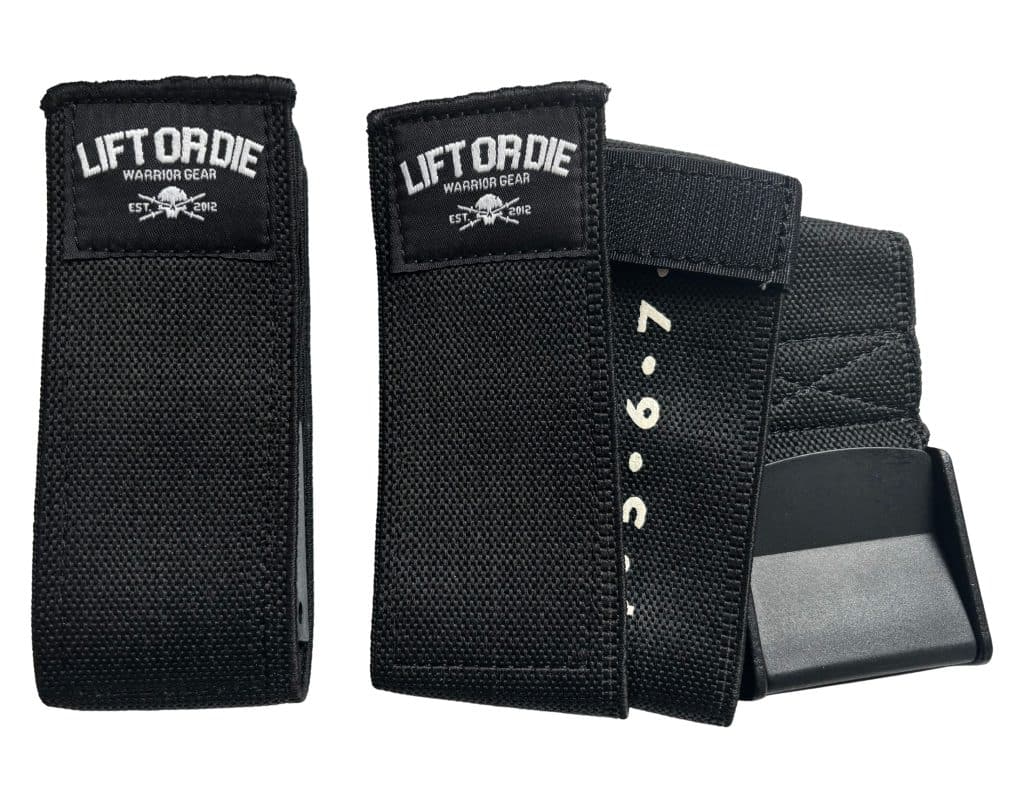
Never tighten the bandages beyond a setting of 7 on a scale of 1 to 10, with 10 being "very tight." Overtightening can cause serious injury and will not increase effectiveness. Remove the bandages immediately if you experience any discomfort, numbness, tingling, or skin discoloration.
Do not lift more than 20% of the maximum weight you can lift in one repetition without bands if you have never worn them.
The bands should be worn on the upper part of your arms or the upper part of your forearms.
Do not wear bands around any other part of your body and do not use it for any other purpose.